Build a Complete Cookware Set Without Overspending
Last updated Sep 20, 2026
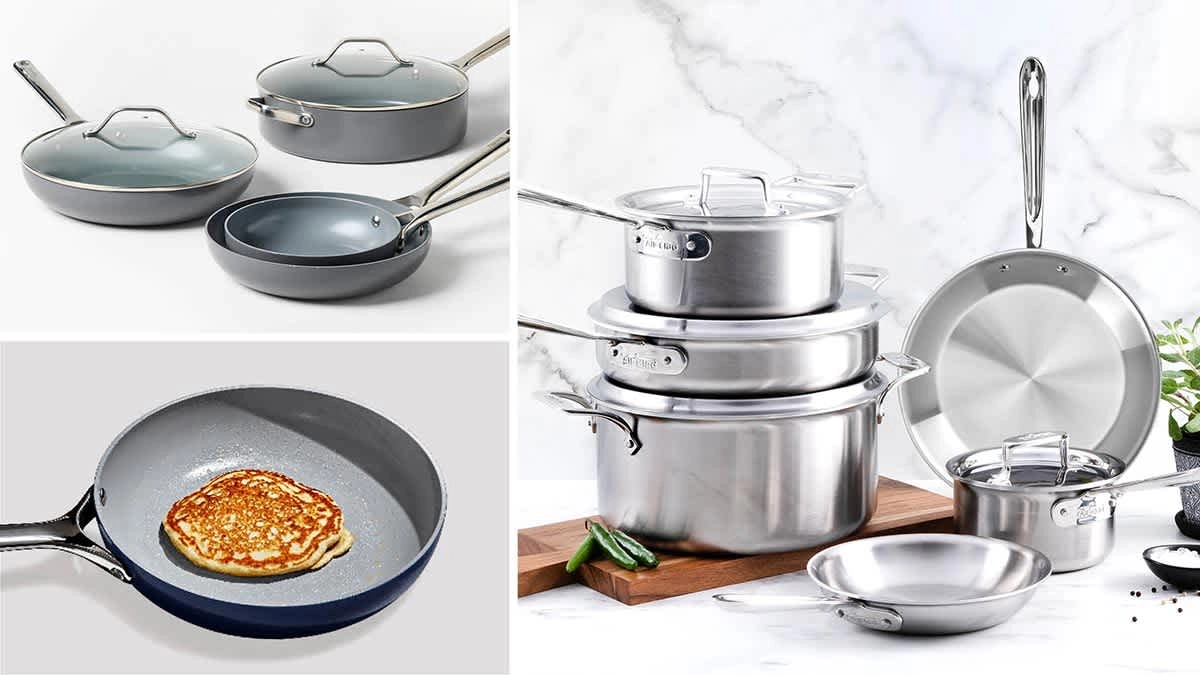
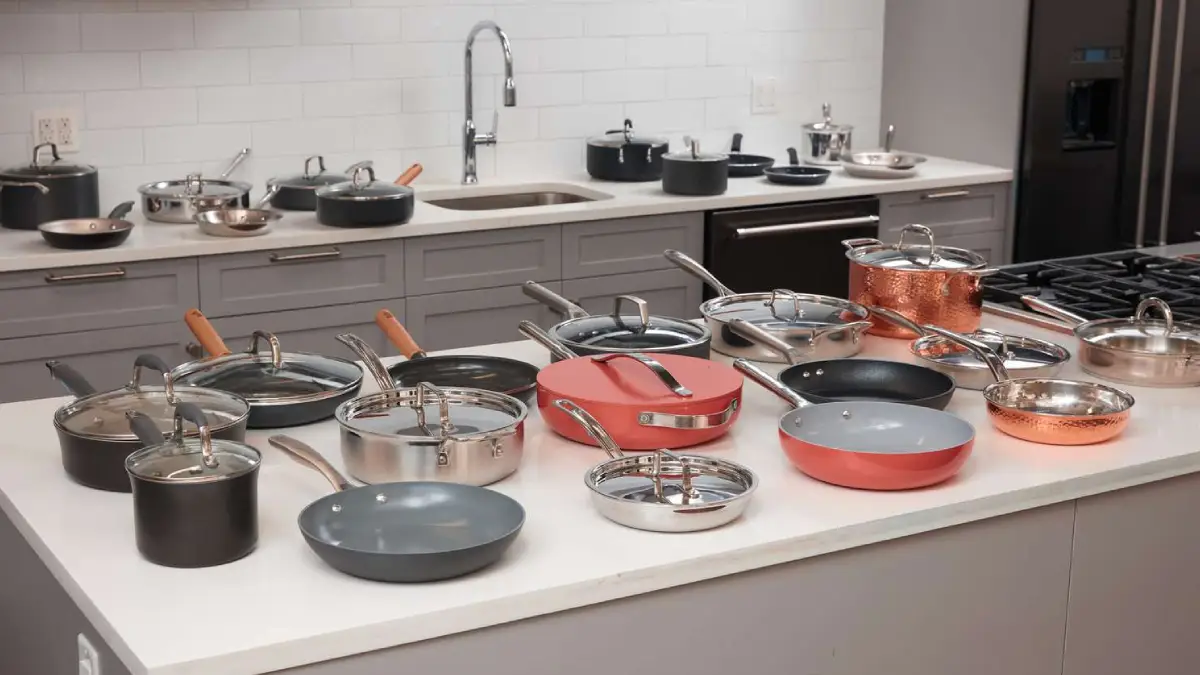
Walk into any store and the sets are basically yelling at you. Fifteen pieces! Twenty! Look how much you get! Then you get it home, and six months later you're cooking out of the same three pans while the rest sit in a cabinet that won't fully shut.
Here's what the people selling cookware won't say out loud. Most of us use four pieces. Maybe. Your stove has four burners, and you almost never run all four at once. So building a complete cookware set on a budget isn't about buying more. It's about buying the right handful and ignoring the padding.
How we looked at this
The TheGoodBuyer team didn't just regurgitate box copy, they dug into what long-term testers really grab for everyday, what real owners say they wish they didn't buy, and where the price-to-use ratio makes sense. Goal: a kitchen that cooks everything without the mess.
The pieces that earn their spot
Buy these first. Own nothing else, and you can still cook almost anything.
A 10 to 12 inch skillet. The one you'll grab most. Eggs, veg, searing, quick dinners. If you buy exactly one good thing, make it this.
A 3 quart saucepan with a lid. Rice, sauces, boiling, reheating. Small, but always in the game.
A big pot or Dutch oven, roughly 6 to 8 quarts. Pasta, soup, stew, chili, stock. A Dutch oven pulls double duty in the oven too, which is why it's here.
A sauté pan or a second smaller skillet. The second you're cooking a full meal, a second pan going saves you real time.
Done. Four pieces handle the bulk of home cooking. Everything after that is a want, not a need.
What you can skip (for now)
Tiny one-quart saucepans. Specialty pans you'll touch twice a year. Matching pieces you're only eyeing because they came in the box. Steamers, egg poachers, that weirdly specific griddle. And if a set pumps its piece count by counting every lid as a "piece" (classic move), ignore the number completely and count the actual pots and pans.
Budget tiers, real numbers
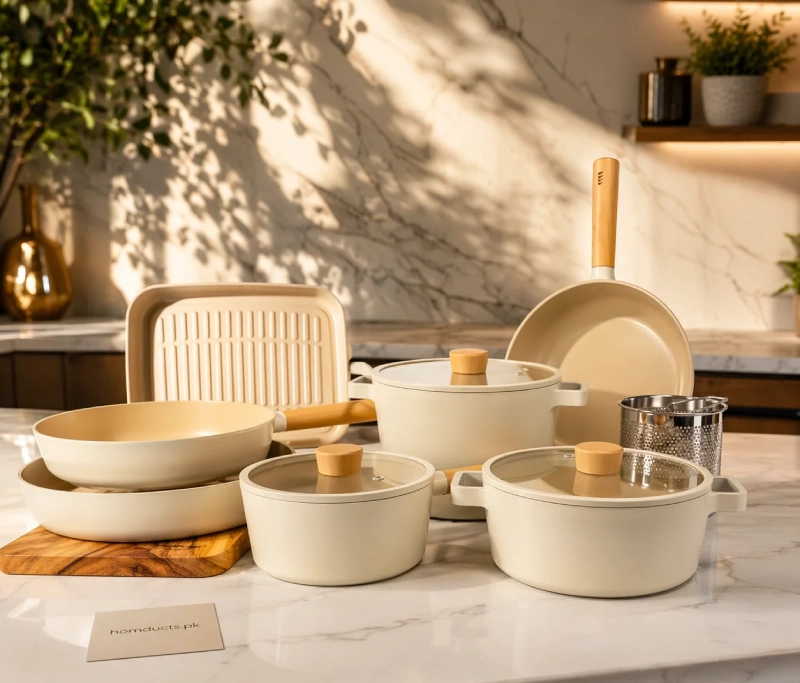
Roughly what you're looking at, building piece by piece instead of grabbing a box.
Starter, around $80 to $150 total. Solid individual non-stick or basic stainless pieces, or a small honest four-piece set. Cooks real food just fine. You'll probably swap the non-stick out in a couple years, but the entry cost is tiny.
Middle, around $200 to $400 total. The sweet spot for most people. A quality ceramic or hybrid skillet, a decent stainless saucepan, a cast iron or enameled Dutch oven. Mix materials so each piece does what it's best at.
Splurge, $400 and up. Premium brands, long or lifetime warranties. Worth it only if you cook a ton and want stuff that lasts, and even then, you still only need those same four core pieces.
A sample build under $200
Concrete version. A $40 to $60 cast iron skillet that lasts decades. A mid-range ceramic or non-stick fry pan around $50 to $80 for your eggs. A $30 to $40 stainless saucepan with a lid. A budget enameled Dutch oven around $50 to $70. That's a complete, genuinely capable kitchen for under two hundred bucks, and not one piece is dead weight.
Which material for which job
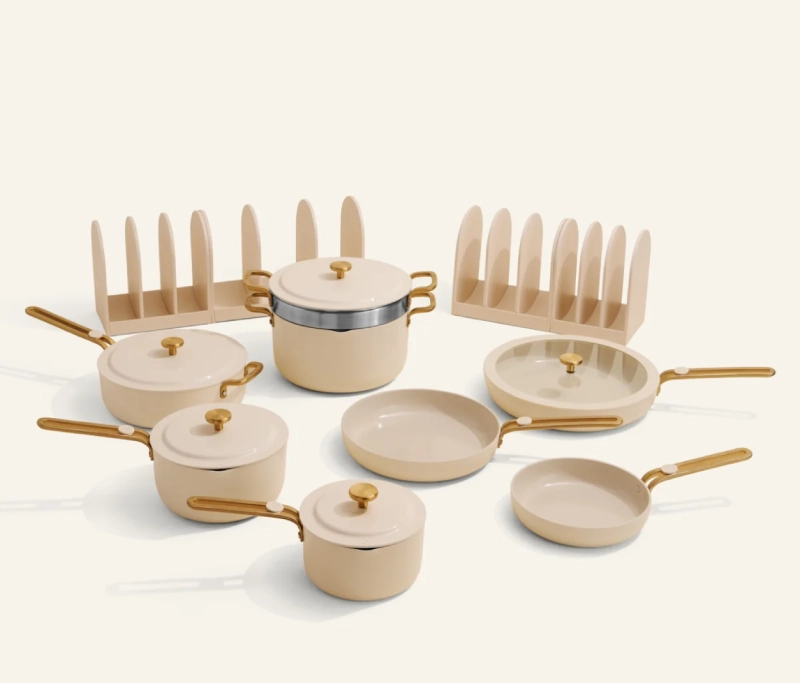
Since you're buying piece by piece, you get to put the right material in the right role instead of forcing one coating to do everything. This is the quiet reason a smart budget build beats a pricey matching set.
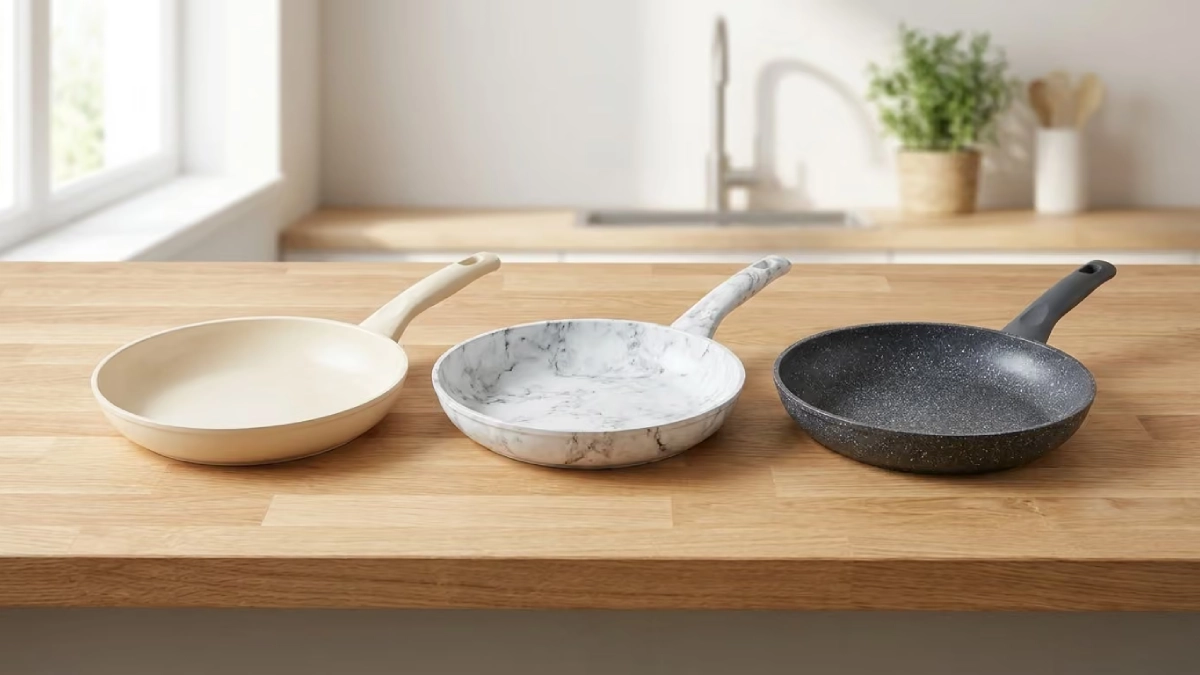
Everyday skillet? Ceramic or non-stick, so eggs and quick dinners stay painless. Big pot or Dutch oven? Cast iron or enameled cast iron, cheap for how long it lasts, brilliant for soups and braises and oven work. Saucepan? Plain stainless, tough, takes any heat, no coating to wear out. Second searing pan? Cast iron or stainless again.
Each piece plays to its strength. You spend less than a premium set, and you cook better than any single-material set ever could.
Mistakes that quietly cost more
Buying big sets for the piece count. You're paying for pans you won't use.
Going all-in on one material. Non-stick can't sear. Cast iron is a pain for a fast egg. Mixing gets you a better kitchen for less.
Ignoring care and warranty. A cheap pan you replace every two years can cost more over a decade than one good piece bought once.
Chasing looks first. Pretty is the tiebreaker, not the reason. Buy for how it cooks, then pick the color.
FAQs
How many pieces do I actually need?
Four core pieces (skillet, saucepan, big pot or Dutch oven, second pan) cover nearly all home cooking. The rest is optional.
Set or individual pieces, which is cheaper?
Sets look cheaper per piece, but you pay for stuff you won't use. Buying piece by piece usually gets you a leaner, better kitchen for the same money or less.
Should everything match?
No. Mixing materials beats forcing one material to do every job.
What's the best first buy?
A good 10 to 12 inch skillet. It's the pan you'll use most, so spend there first.
Can I build a good kitchen under $200?
Yes, easily. A few smart individual pieces across different materials, not one big matching set.
Comments (1)
All comments are reviewed and approved by an admin before appearing publicly.
Muhammad
Very good