Ceramic vs Non-Stick vs Cast Iron: Which Cookware Is Right for Your Kitchen?
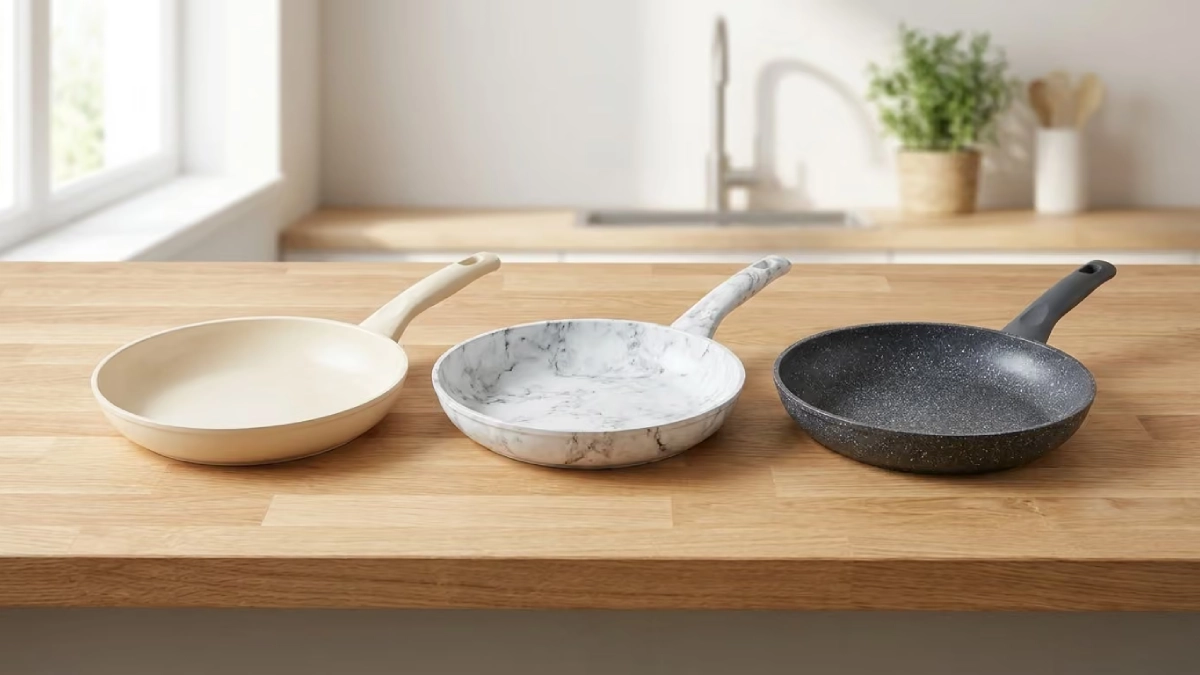
Imagine it. You’re in the cookware aisle, or more likely three tabs deep at midnight. Every single person online swears their pick is the only right one. People in cast iron are serious about it. Ceramic people have a thing about chemicals. Non-stick people want eggs to slide off. Everybody’s yelling.
So here's the honest one-liner before we dig in. There is no best cookware. There's only the best one for how you actually cook. A person frying eggs every morning needs something totally different from a person searing steaks on Saturdays. That's the whole game. So this ceramic vs nonstick vs cast iron breakdown skips the crown and just figures out which one belongs on your stove.
Why you can trust this rundown
We didn't wing it. The TheGoodBuyer team leaned on independent lab testing, including the Consumer Reports cookware program, plus long-term reviews from people who've cooked on these pans for years, plus the same complaints buyers keep leaving on Trustpilot, Reddit, and Amazon. Not one hot take. The patterns.
The three, in a sentence each
The names get muddled, so quick sketches first.
Traditional non-stick is a pan, usually aluminum, coated in PTFE. The stuff most people just call Teflon. Slick, cheap, magic with eggs. Ceramic non-stick is a different animal, a mineral-based coating, no PTFE or PFAS, sold as the cleaner option. Cast iron is exactly what it says. A solid slab of iron you season with oil until it grows its own non-stick skin.
Now let's actually compare them.
Non-stick: the lazy-morning hero
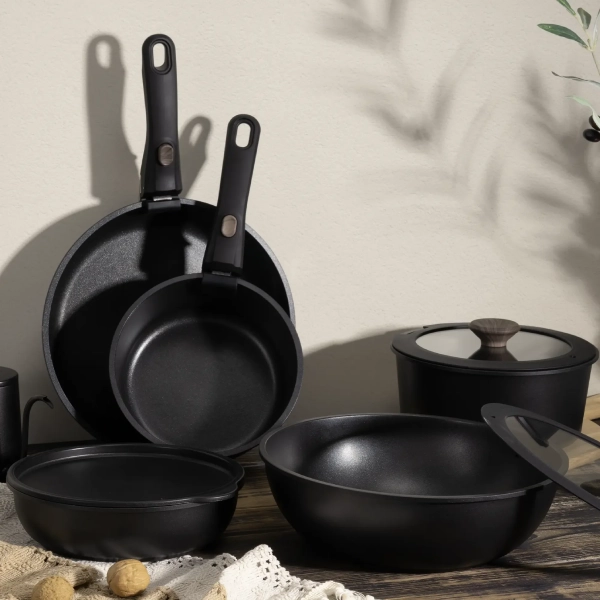
Want convenience and a low price? This is your category. Eggs, pancakes, delicate fish, all of it releases with barely any oil, and cleanup is a wipe and done.
The problem is lifespan. These coatings wear out. Most give you somewhere between one and three years before they start sticking and it's time to buy another. You've also got to be gentle. No metal utensils. No ripping-hot searing, because overheating PTFE degrades the coating and can throw off fumes. The PFOA scare? That was banned from US cookware years ago. But PTFE itself is still a forever chemical, and that single fact is what sends a lot of people over to ceramic.
Good for: fast weekday food, eggs, tight budgets.
Careful with: short life, high heat, metal tools.
Ceramic: the clean-cooking pick
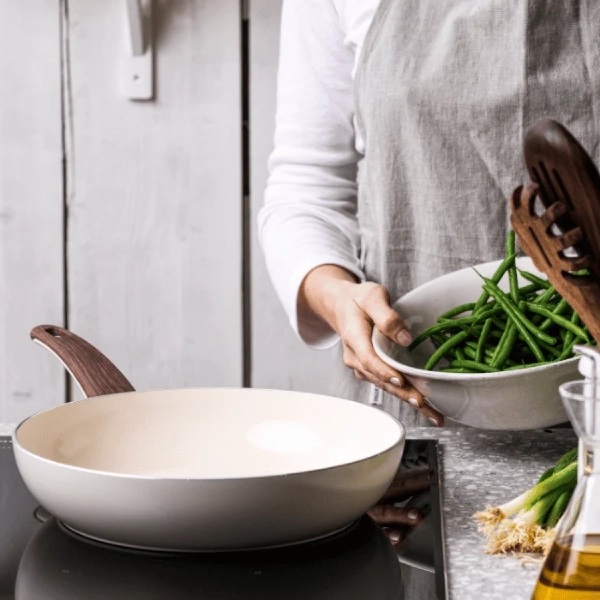
Ceramic blew up for one reason. People wanted the slide of non-stick without the PTFE and PFAS. The coating is naturally slick, food doesn't grab, and it usually ships free of PTFE, PFOA, lead, and cadmium.
On low and medium heat it genuinely cooks well, and it heats evenly. But be real about two things. One, ceramic tends to lose its slickness faster than PTFE, sometimes inside a couple of years, especially if you cook hot or scrub like you're mad at it. Two, it's basically hand-wash only and it doesn't want your metal spatula either. Baby it and it's lovely. Bully it and it fades fast.
Good for: health-focused cooks, eggs and veg, gentle everyday meals.
Careful with: finite coating life, needs babying.
Cast iron: the one you'll hand down
This is the pan your kid inherits. Nearly indestructible, holds heat like nothing else on the stove, and once it's seasoned it gives you a natural non-stick surface plus a sear the coated pans can only dream about. Stovetop, oven, grill, campfire, it doesn't care.
The trade-offs are real though. It's heavy. It needs seasoning, and it'll rust if you leave it sitting wet. It's slow to heat (but glorious once it's there). And long-simmered acidic stuff like tomato sauce can strip the seasoning. This isn't grab-and-go. It's a relationship. But it's the only thing here that lasts a lifetime, no asterisk.
Good for: searing, roasting, baking, big heat, anyone wanting one pan for decades.
Careful with: weight, upkeep, rust, acidic foods.
Okay, so which one is yours?
Drop the "best overall" thing. Match it to your habits instead.
Eggs and quick meals every day, zero patience for fuss? A non-stick or ceramic pan is your daily driver. Go ceramic if dodging PTFE matters to you. Go traditional non-stick if you'd rather it last a touch longer and cost a bit less.
Love a crust, sear meat, bake cornbread? Cast iron, every time. Worth the effort.
And honestly? The smart kitchens don't pick one. Most people who cook a lot keep a ceramic or non-stick pan for eggs and the delicate stuff, and a cast iron for the high-heat jobs. The two cover each other's weak spots perfectly. You'll grab both, constantly.
Fast recap
Non stick: Cheapest, easiest, shortest life, and low heat only
Ceramic: PTFE free, easy to use, good life, low-to-medium heat, and gentle care
Cast iron: cheap-to-mid, lasts for a few decades, and eats any heat for breakfast
FAQs
Is ceramic really safer than non-stick?
Ceramic skips PTFE and PFAS, which is the whole appeal for health-minded buyers. Modern PTFE non-stick is considered safe used rightfully, but if forever chemicals bug you, ceramic's the cleaner call.
Which one lasts longest?
Cast iron, easily. Looked after, it can outlive you. Ceramic and non-stick coatings both wear out and get replaced every few years.
Can I use metal utensils?
Only on cast iron. Ceramic and non-stick both scratch, so it's wood, silicone, or nylon for those.
Best for searing?
Cast iron, no contest. Skip high heat on the coated pans, it wrecks the surface.
Do I have to pick just one?
Nope, and you probably shouldn't. A coated pan for eggs plus a cast iron for searing is where most seasoned cooks end up.
Content Writer
Comments (0)
All comments are reviewed and approved by an admin before appearing publicly.
No comments yet — be the first to share your thoughts.