The Real Cost of Cheap Cookware and Why It Adds Up
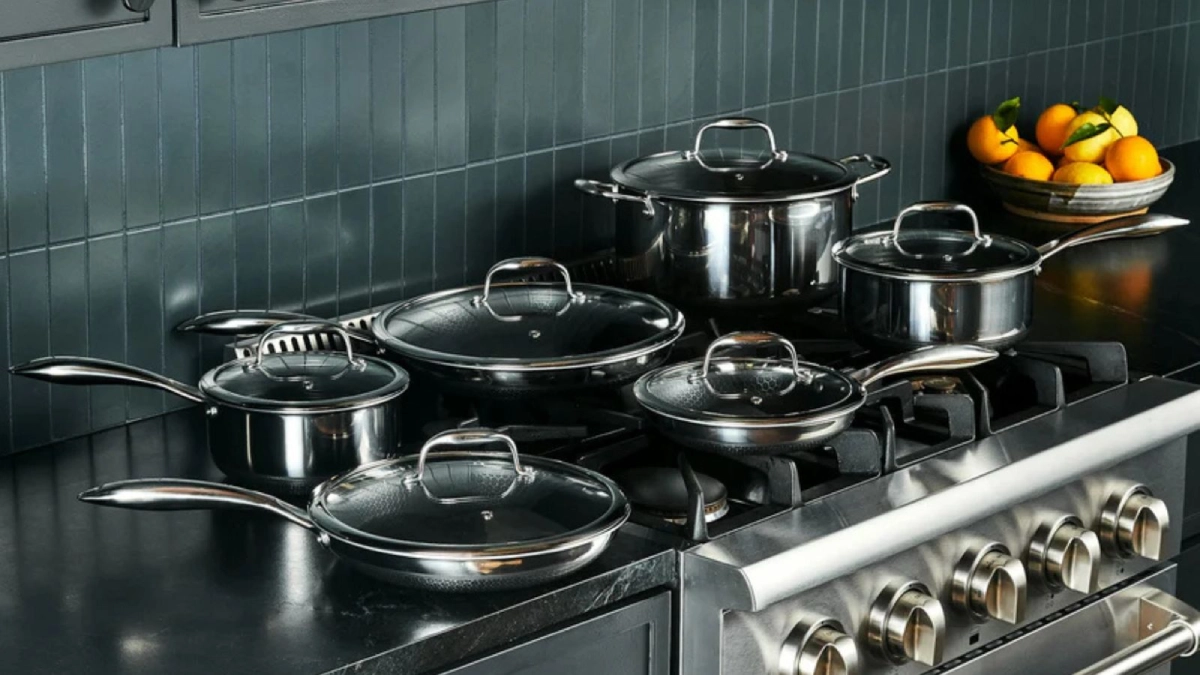
The $15 non-stick pan looks like a no-brainer right now, sitting on the shelf next to the $90 one. Same size. Same shiny surface. Six times cheaper. Easy, right?
Maybe not. The number on the tag is only part of what a pan actually costs you. The rest shows up later, quietly, in replacements you didn't budget for, in food that sticks and burns, and in a couple of things you can't see at all. So let's do the honest math on cheap cookware. It adds up quicker than you'd think.
How we're looking at this
Thegoodbuyer.com team pulled from lab testing, long-term owner reports, and manufacturer specs to follow what happens to budget cookware over time. Not just on day one. And to be clear, the point isn't that cheap is always wrong. Sometimes it's exactly right. The point is seeing the full bill before you pay it.
Cost one: the replacement treadmill
This is the big one. Cheap non-stick coatings wear out. Most last one to three years before food starts grabbing, the coating flakes, and the pan goes in the trash.
Do the numbers. A $15 pan swapped every two years runs you about $75 over a decade, and that's assuming the price never climbs. One well-made $90 pan that lasts ten years or more? Cheaper in the long run, and you're not rebuying anything. The bargain wasn't a bargain. It was a subscription nobody told you about.
Cost two: the stuff you can't see
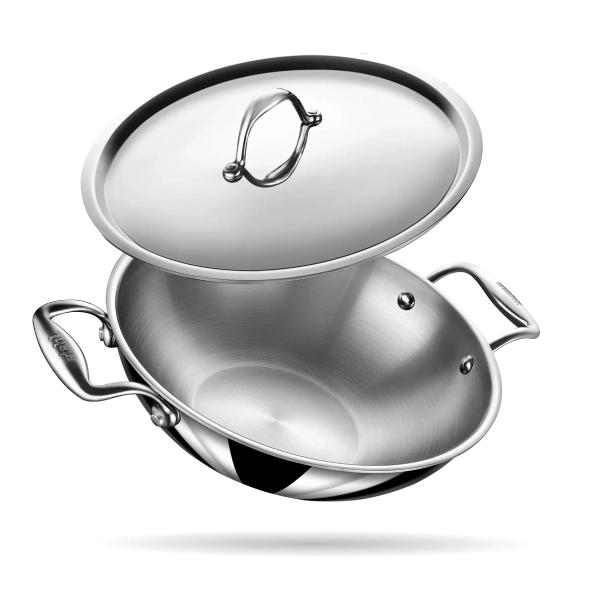
Here's where it stops being about money. The cheapest non-stick pans tend to use the lowest-grade coatings, and they're the ones people overheat and scratch, which is exactly when a worn coating starts breaking down. Once it's scratched, flaking, or cooked too hot, it's not doing its job cleanly anymore.
This is a huge part of why so many buyers jumped to PTFE-free ceramic and hybrid pans. It's not that a good non-stick pan is scary when you use it right. It's that a cheap one, treated rough and kept three years too long, is the worst-case version. Spending a little more usually buys a better coating and a pan you'll actually toss on time.
Cost three: worse food, wasted groceries
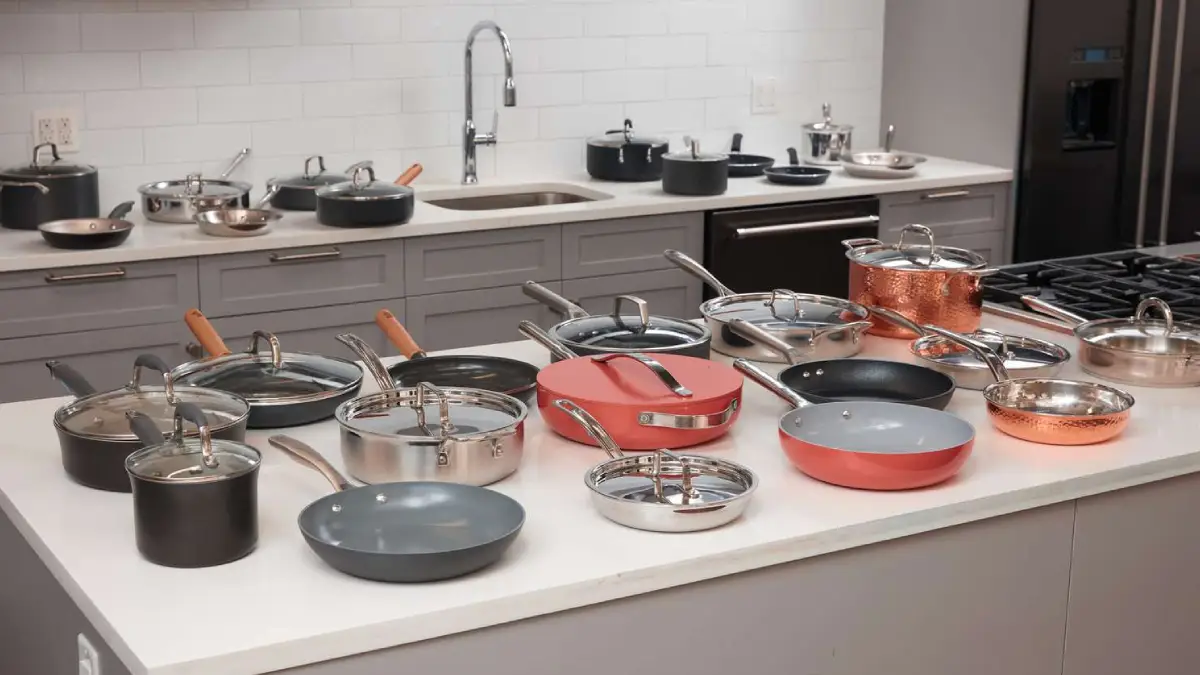
A cheap pan just cooks worse. Thin, flimsy metal warps on the burner and grows hot spots, so one side of your omelet browns while the other sits there raw. Bad heat spread means uneven searing, sticking, burning. You scrape ruined food into the bin, and those wasted groceries cost money too. A pan that heats evenly pays you back at every meal.
Cost four: the safety and hassle tax
Wobbly handles. Lids that don't fit. Coating peeling into your dinner. Pans too flimsy to trust with a heavy roast. Cheap cookware fails in small annoying ways and sometimes in genuinely unsafe ones. None of it shows up on the price tag. You pay it in frustration and the occasional little burn.
The cost-per-year way to see it
Sticker price fools you because it's one number, and a pan's real cost is smeared across years. So flip it. Don't ask what a pan costs today. Ask what it costs per year of use.
That $15 pan lasting two years? About $7.50 a year, and you keep rebuying it. A $90 pan lasting ten years? Nine dollars a year, basically the same, except you buy it once, it cooks better the whole time, and you're not trekking back to the store every couple years. Push it further. A $50 cast iron skillet lasting twenty-plus years works out to a couple bucks a year. Suddenly the "expensive" pan is the cheap one, and the bargain is the money pit.
When cheap is actually the right call
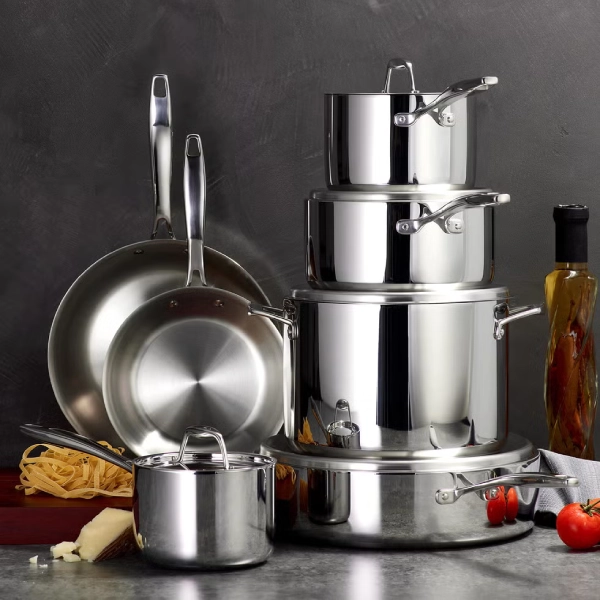
To be fair, budget cookware isn't always a mistake. It genuinely makes sense kitting out a first apartment on nothing, stocking a rental or a vacation place, buying a specialty pan you'll use twice a year, or if you just barely cook. In those cases, paying up for longevity you won't use is its own kind of waste. Cheap is a tool. Just use it on purpose.
The bottom line
The real cost of cheap cookware is rarely the sticker. It's the replacements, the worse cooking, the wasted food, the coating you hung onto too long. For the pans you use every day, one solid piece usually costs less over ten years than a string of cheap ones, and you eat better the entire time. Spend where it counts. Save where it doesn't.
FAQs
How often do cheap non-stick pans need replacing?
Most non-stick coatings last about one to three years with regular use, and the cheap ones land at the short end.
Is cheap cookware unsafe?
A good non-stick pan is considered safe used correctly. The worry with very cheap ones is low-grade coatings that get overheated, scratched, and used way past their prime, which is when coatings break down.
Is expensive cookware always worth it?
No. Price matters most for the few pans you use daily. For rare or specialty pieces, or a short-term kitchen, cheap can be the smarter buy.
Most cost-effective long term?
Cast iron and quality stainless last years, sometimes decades, which usually makes them cheaper per year than rebuying cheap non-stick over and over.
Where do I spend and where do I save?
Spend on your everyday skillet and main pot. Save on specialty gear and pieces you'll barely touch.
Content Writer
Comments (0)
All comments are reviewed and approved by an admin before appearing publicly.
No comments yet — be the first to share your thoughts.